Defeat Assassin: A Futuristic Display Font for Bold Branding
I was working on a brand identity for a new boutique skincare line, and I needed something that felt both modern and memorable. That’s when I stumbled upon Defeat Assassin. At first glance, it stood out with its sharp angles and futuristic edge, but I wanted to see how it would hold up in real-world design scenarios. So I tested it across several elements of the brand—logo drafts, packaging mockups, business cards, and even social media posts.
A Font That Commands Attention
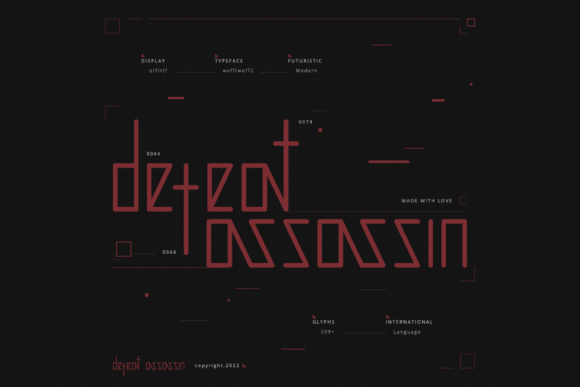
Defeat Assassin is an innovative and futuristic display font, and that’s exactly what it feels like when you use it. The visual characteristics are unmistakable—clean lines, geometric shapes, and a sense of urgency in every stroke. It carries a bold personality that’s perfect for brands looking to make a strong impression. Whether it's used in a logo or as a headline, this font doesn’t just sit there; it demands to be noticed.
Its mood is energetic and forward-thinking, making it ideal for creative industries such as tech startups, fashion labels, or even lifestyle brands aiming to break the mold. The style is contemporary, almost like a digital-age graffiti lettering, which adds a layer of uniqueness that can elevate any project.
Testing Defeat Assassin in Real Design Projects
I started by applying Defeat Assassin to a logo concept for the skincare brand. The result was striking—it gave the brand a sense of confidence and innovation that aligned perfectly with their vision. The font worked well as a primary typeface, especially in larger sizes, where its details could shine without being lost.
Next, I used it on a product packaging mockup. The font looked great on a minimalist label, standing out against a neutral background. It added a touch of edginess that complemented the product’s clean aesthetic. On a business card, the same font created a professional yet dynamic feel, ensuring that the brand name wouldn’t be forgotten after a handshake.
On social media graphics, Defeat Assassin performed exceptionally well. Its legibility at smaller sizes was impressive, and it maintained its character even when scaled down. When paired with a sleek sans-serif font for body text, the contrast helped create a balanced visual hierarchy that guided the viewer’s eye effectively.
Where Defeat Assassin Shines Best
Defeat Assassin excels as a display font, headline font, and accent font. It works best in short phrases, logos, and branding elements where impact matters more than readability. However, it’s not ideal for long paragraphs of body text due to its stylized nature. For example, using it in a website’s main content area might compromise readability, especially at smaller sizes.
In terms of brand perception, this font communicates professionalism mixed with a touch of rebellion. It’s a great choice for brands that want to appear cutting-edge and unafraid to stand out. But if your brand leans toward traditional or formal aesthetics, Defeat Assassin might not be the best fit.
When pairing Defeat Assassin with other fonts, I found that a clean sans-serif like Helvetica or Arial provided excellent contrast. This combination worked well in editorial design, web design, and even packaging, where clarity and visual interest were both important.
Considerations Before Using Defeat Assassin
Before incorporating Defeat Assassin into final client work, it’s essential to test it thoroughly. Try it in different contexts—on a shop sign, a homepage hero section, or an Instagram post. Observe how it behaves in various color schemes and backgrounds. Also, check whether it supports the languages and characters your brand will need.
Don’t forget to review the licensing agreement. If you're planning to use Defeat Assassin in commercial projects, ensure that the font license allows for such usage. This includes brand identity, packaging, templates, merchandise, websites, and print-on-demand products.
Lastly, always consider the audience. While Defeat Assassin is visually compelling, it may not resonate with all demographics. Use it strategically to align with your target market’s expectations and preferences.